


If you’re not using your bed sheets correctly, you could be affecting your sleep quality without even realising it. Choosing and using the right bed sheets in the UK is essential for comfort, hygiene, and long-term durability.
In this guide, we’ll explain exactly how to use bed sheets properly — and how to choose the best ones for your needs.
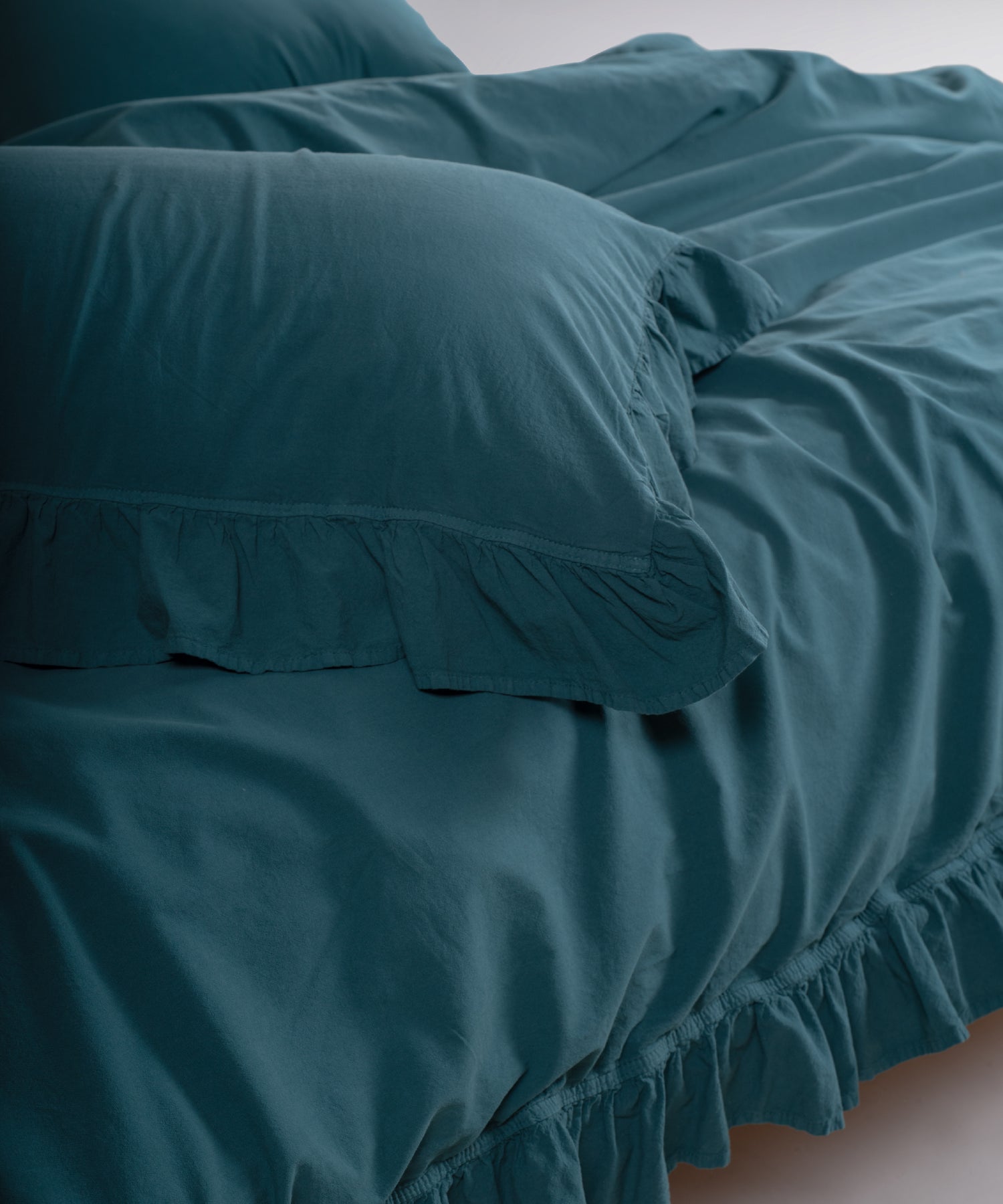
What Are Bed Sheets and Why Do They Matter?
Bed sheets are more than just a layer between you and your mattress. High-quality cotton bed sheets UK can:
- Improve sleep quality
- Regulate body temperature
- Reduce skin irritation
- Extend mattress lifespan
If you’re still using low-quality or synthetic sheets, it’s time to upgrade.
👉 Explore premium options here:
Cotton Bed Sheets Collection
How to Use Bed Sheets Correctly
1. Always Use a Fitted Sheet First
A fitted sheet is designed to wrap around your mattress securely.
Benefits:
- Prevents slipping during sleep
- Protects your mattress
- Creates a smooth sleeping surface
For best results, choose breathable materials like 100% cotton fitted sheets UK.
👉 Recommended:
Premium Fitted Sheets
2. Add a Flat Sheet (Optional but Recommended)
A flat sheet sits between you and your duvet.
Why it matters:
- Keeps your duvet cleaner
- Adds an extra comfort layer
- Helps regulate temperature
This is especially useful if you’re a hot sleeper in the UK.
3. Choose the Right Fabric
The fabric of your bed sheets directly affects your sleep.
Best Options:
- Cotton sheets UK → breathable, soft, durable
- Percale cotton sheets → cool and crisp
- Linen sheets UK → temperature regulating
Avoid:
- Polyester sheets (trap heat and sweat)
👉 Shop breathable bedding:
Breathable Bedding Collection
4. Wash Your Bed Sheets Regularly
Using bed sheets properly also means maintaining them correctly.
Recommended:
- Wash every 7–10 days
- Use mild detergent
- Avoid high heat drying
Clean sheets = better sleep + healthier skin
Common Bed Sheet Mistakes (Avoid These)
Many people unknowingly reduce their sleep quality by:
- Using the wrong sheet size
- Choosing synthetic materials
- Not washing sheets frequently
- Using high thread count incorrectly
Best Bed Sheets for Different Sleep Needs
🔥 Hot Sleepers
Choose:
- Percale cotton
- Lightweight breathable sheets
❄️ Cold Sleepers
Choose:
- Higher GSM cotton
- Layered bedding
🌿 Sensitive Skin
Choose:
- Natural cotton
- Hypoallergenic sheets
Why Quality Bed Sheets Are Worth It
Cheap sheets wear out quickly and affect comfort. Investing in high-quality bedding UK means:
- Better durability
- Improved sleep
- Long-term savings
At Limasso, all products are made with premium materials designed for comfort and performance.
👉 Discover bestsellers:
Luxury Bedding Collection
Final Thoughts
Using bed sheets properly is one of the easiest ways to upgrade your sleep. From choosing the right material to maintaining hygiene, small changes can make a big difference.
If you’re serious about better sleep, start with your sheets.
👉 Upgrade today:
Shop All Bedding


